

A Wood Burning Stove in Your Conservatory
A wood-burning stove in your conservatory can be a great option to keep your room warm all year round. It's cheaper than underfloor heating, and more efficient than electric heaters.
There are a few points to take into consideration prior to installing one. For instance, it's important to comply with building regulations by preventing the flu from combustible doors and walls.
Cost
A wood stove can be a chic feature in your conservatory, and it will give warmth and comfort. It can also help save money on your heating bills. However the initial investment may be costly. It might be necessary to install an air vent and make adjustments to the conservatory which could add to the cost. The local showroom will be able to guide you on the cost of these items during your initial assessment.
If you reside in a region which is smoke-free that is smoke-controlled, you must use a DEFRA-approved stove, and only burn fuels that are smoke-free. This will stop the wood smoke from causing an increase in fire danger. There are many alternatives to heat your conservatory, like electric stoves and gas stoves.
The cost of installing a log stove in your conservatory will depend on the type of wood-burning stove you choose as well as the requirements for installation and the additional components needed to complete the project. The flue system, for instance requires a non-combustible foundation that is big enough to allow the stove to extend 300mm in front and 150mm either side. It should also be 12mm thick. To ensure compliance with building regulations the flue pipe should also be insulated.
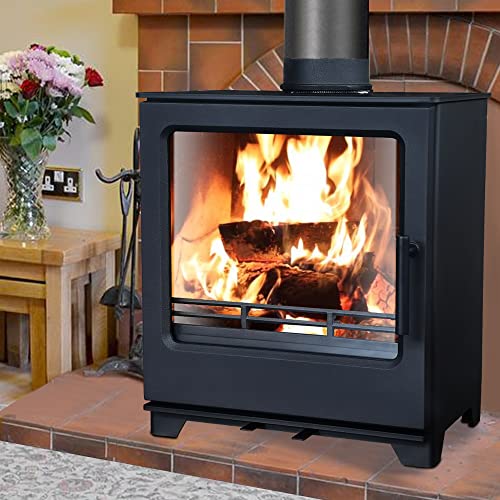
There aren't any special regulations for the installation of a stove in the conservatory, however it is important to be aware of the general building rules regarding stoves and chimneys. For instance, the stove has to be placed at least 2.3 metres away from any combustible materials and be a minimum of 1 one metre above the roof. The flue should also be at a minimum of 425mm from any combustible material, and have a hearth that is non-flammable.
If you decide to go with an integral flue, you can set up a wood-burning fireplace in your conservatory and avoid the need for a chimney. This kind of stove is a good choice for those who don't want to spend an excessive amount of money on installation costs. The price for this type of stove will differ from brand to brand, but most are priced at about PS3,000.
A stove that burns wood is an ideal addition to your conservatory, particularly if you're in a smoke-free zone. However, you should be aware that the smoke from wood can have adverse health effects. It is particularly harmful for older adults, children and those with lung diseases, such as asthma or chronic obstructive lung disease.
Energy efficiency
Conservatories can be a gorgeous, relaxing space in the summer, but they can become cold and uninhabitable in the winter and fall. A wood burning stove is an alternative to radiators, because it is more efficient in energy use and also less expensive. It is crucial that the stove is installed properly and is in compliance with building regulations.
A flue system needs to be installed to allow smoke to escape the conservatory. It should be placed at minimum 2.3m away from the wall connecting the conservatory with the house and protrude 1m above the roof level. very small wood burning stove must be insulated to prevent it from becoming too hot and posing dangers to the building.
The most popular type of stove used in a conservatory is a DEFRA-approved log burning. They are specifically designed for use in areas that control smoke and are typically rated at around 85 percent efficiency. Available in a variety of sizes and styles and designs, they can be fitted to any house. They do not produce as much heat as gas stoves and are best used in a conservatory that is well insulated.
It is important to know the different types of stoves and their efficiency ratings before installing one. wood burning stoves small offer combustion efficiency while others list overall efficiency. Combustion efficiency is the amount of heat actually generated by the stove, while overall efficiency measures how efficient the stove is in turning heat into fuel.
Although it is possible to fit an oven in the conservatory without chimney, it will be more expensive and require the construction of a brand new chimney. A twin wall flue, that is a double-skinned insulated pipe, is also able to be installed through the roof of the conservatory. The pipe is insulated, which means that the outside doesn't heat up. It can be put within 60mm of any combustible material.
Installing an oven in your conservatory can be an affordable and practical option. However, it is important to select the right model. You'll want to consider your budget, as well as the size of the room and the amount of heat you need.
The output of heat
A fireplace with wood in your conservatory will add a focal point to the room and create a warm ambience. But, there are a few things to think about before making a choice. You will need to ensure that the stove is not placed too close to combustible material and that the chimney passes through the roof at an appropriate height. Additionally, you'll have to ensure that there is adequate ventilation in order to eliminate condensation.
One of the most important points to remember is that a wood stove must be fitted by an HETAS registered fitter. This will ensure that the work is in line with UK building regulations, and you aren't exposed to any risks. A HETAS fitter can also guide you on any necessary modifications for your conservatory.
You should also have an appropriate hearth for your stove to sit on. The hearth should be at minimum 12mm thick and large enough to span 300mm in front and 150mm either side of the stove. The ideal hearth would be made from a non-combustible material such as glass or stone.
While it is possible to put a wood-burning stove in your conservatory without chimney, it is not recommended. It could be hazardous for your family and create an opportunity for fire. It is recommended to choose either a gas fireplace or stove.
Installing a wood-burning stove in a conservatory can be problematic because most modern, efficient stoves need plenty of airflow in order to function properly. This can be problematic for conservatories that adjoin the house with two floors, since the flue gases could blow into windows in the upstairs and cause discomfort to the neighbors.
This issue can be resolved by using insulated twin-wall flue pipe. This type of pipe is specifically designed for use in the conservatory, and is insulated with a layer that stops it from becoming dangerously hot when the stove is being used. The pipe can also be put in through the roof of a conservatory which is more secure than a standard fireplace.
Safety
Like any stove, a log burning stove in a conservatory has certain safety issues. It is recommended to hire an installer who is certified to install the flue and ensure that it meets all building regulations. They will be able to guide you in the right position for the stove, and ensure that it complies with regulations regarding distance to combustible substances.
It is possible to put wood-burning stoves in a conservatory with no chimney by using an flue system that is insulated. This system, referred to as twin wall consists of two pipes stacked inside each other and an insulating layer inserted between. This prevents the pipe from getting dangerously hot and creating an fire risk. In addition twin wall pipes are lighter and less expensive than traditional chimneys.
Another option is to put gas-burning stoves in your conservatory. This type of fire is not as decorative as a log burning stove, however it provides the same heating and is also more efficient in terms of energy consumption than a traditional log fireplace. It is also less expensive to operate and does not require regular maintenance.
If you decide to go with a gas stove it is crucial to select one that has been specifically designed for use in a conservatory and has been certified by the Gas Safe Register. It is also important to follow the guidelines of the manufacturer on installation and maintenance. This will help avoid any issues with your stove.
The location of your conservatory will have an influence on the size and position of the flue. If you plan to put your stove close to the wall of your house, it must be at least 2.3 meters away from the main building to comply with the building regulations. Additionally the flue needs to be at least 1 millimetre above the conservatory roof.
Modern, high-efficiency wood burners also have very high standards for flue draught. This can result in turbulence and smoke can be blown into your upstairs windows. If you live in a place which is smoke-free, it is essential to make use of DEFRA-approved fuels.